
Testament: A Review
Testament, the new chamber opera from Irish National Opera, has a libretto by Colm Tóibín adapted from his own novella The Testament of Mary, music by Tarik O'Regan, and absolutely nothing else working in its favour except the people who actually had to perform the bloody thing.
I wanted to love this. I walked in hopeful. Tóibín is one of Ireland's finest living writers. Brooklyn breaks me every time. The Master is extraordinary. His prose has this quiet, devastating precision that trusts you to sit in the silence and feel it. So when I heard he was writing an opera libretto? I was excited. I should not have been.
Let's start with what was good, because there was good, and it deserves better than being buried under everything else.
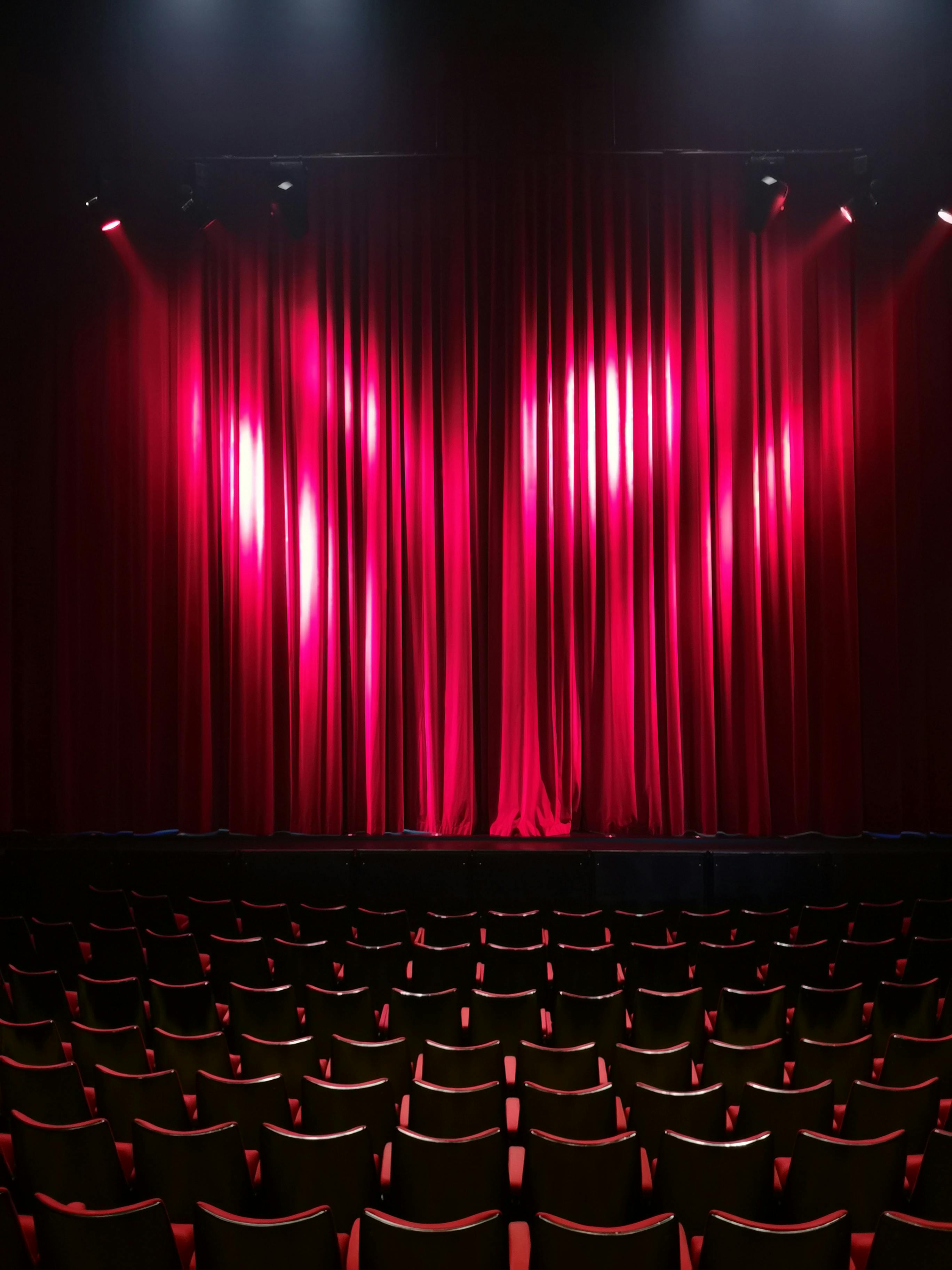
The set was genuinely impressive. A semi-circle of rotating doors, a grave centre stage, and the whole thing feeling like a purgatory you couldn't walk out of. The design gave the piece a physical weight that the script never earned.
The voices were extraordinary. Sharon Carty as Mary has a presence and a warmth that deserved material worthy of her. You could hear her fighting to make the libretto land, pouring genuine feeling into lines that had no right to carry any. The rest of the cast were great too, doing their absolute best with what they were given.
The conductor deserves a medal, or at least a very large drink. Whatever you think of the score, she held the whole thing together through passages that felt designed to fall apart. A thankless job, brilliantly done.
Now for the bad stuff.
The libretto. On the page, The Testament of Mary is a bitter, furious, intimate monologue. Mary refusing to play along with the myth-making, refusing to let the disciples turn her son into something he wasn't. It works because Tóibín trusts the silence. On stage, sung, that interiority evaporates. The quiet precision becomes expository. The withheld emotion becomes flat. Lines that would devastate you on the page land like someone reading stage directions aloud.
I came hoping for the man who wrote Nora Webster. I got a libretto that felt like a first draft.
The music. Grating. Actively, persistently grating. I understand wanting uncomfortable because the subject is uncomfortable. But there's a difference between dissonant with purpose and dissonant because nobody trusts the audience to feel anything unless you poke them with a stick. O'Regan's score doesn't accompany the libretto. It fights it for space. Experimental in the worst way. Not challenging. Just unpleasant. I spent the second half straining to hear the voices through the orchestration, which is a hell of a thing to say about an opera.
The result. I left exhausted. Not because I'd been moved, but because I'd spent the whole performance doing the piece's emotional labour for it. I leaned in. I tried to meet it where it was. I wanted to love it. Irish National Opera, Tóibín, a brilliant cast, a gorgeous set. All the ingredients were there. But the writing and the music spent the whole night pushing back, and eventually you stop trying.
A bad show that's boring is easy to forget. A bad show that's technically accomplished, with great performances, great design and great conducting, is frustrating in a way that sticks with you. Because you can see what it could have been.
Two stars. One for the set. One for the performers. The conductor can have mine.